There is something profoundly special about sharing your life with a senior dog. The graceful grey muzzle, the slower pace on morning walks, and the knowing look in their eyes all speak to years of loyalty, love, and shared memories. As your canine companion enters their golden years, their needs change in ways that can be subtle at first but become more apparent over time. Keeping a senior dog comfortable is not just about managing old age; it is about honoring the bond you have built by adapting your home, routine, and care to support their changing body and mind. With thoughtful adjustments, you can help your older dog enjoy their later years with dignity, reduced pain, and the same deep sense of security they have always felt by your side.
Whether your dog is a small breed approaching ten years old or a large breed navigating life at seven or eight, the aging process affects every dog differently. Arthritis, reduced vision, hearing loss, dental issues, and cognitive decline are all common age-related challenges. The good news is that there are many practical ways to keep your senior dog comfortable, and most of them do not require expensive interventions. By focusing on comfort, mobility, nutrition, and emotional well-being, you can create an environment where your aging companion feels safe and loved every single day.
Understanding Your Senior Dog’s Changing Needs
Before you can make meaningful changes, it helps to understand what is happening inside your senior dog’s body. Aging is a natural process that affects the joints, muscles, organs, and senses. Cartilage in the joints gradually wears down, leading to stiffness and discomfort, especially after rest or during cold weather. Muscle mass naturally declines, which can make it harder for your dog to stand, climb stairs, or maintain balance on slippery floors. The digestive system may become less efficient, meaning your dog might need a more easily digestible diet with adjusted protein, fiber, and fat levels. Vision and hearing often fade, which can lead to anxiety or disorientation if your dog suddenly cannot see or hear you approaching.
At the same time, your senior dog’s cognitive function may change. Some older dogs develop a condition similar to dementia in humans, often referred to as canine cognitive dysfunction. This can cause confusion, restlessness, disrupted sleep patterns, and even changes in how your dog interacts with family members. Understanding that these behaviors are not stubbornness but symptoms of aging is an important part of compassionate care. When you recognize the underlying causes of your dog’s discomfort, you are better equipped to respond with patience and practical solutions.
Creating a Comfortable Home Environment
The home is the heart of your senior dog’s daily life, and making a few strategic adjustments can dramatically improve their comfort. Start by looking at your home from your dog’s perspective. Are the floors slippery? Are favorite resting spots easy to reach? Is there a quiet place to retreat when the household becomes busy? By addressing these questions, you can create a sanctuary where your older dog feels safe and at ease.
Orthopedic Bedding and Rest Areas
One of the most important investments you can make for a senior dog is a high-quality orthopedic bed. Older dogs spend more time resting, and a bed that provides proper support helps relieve pressure on aching joints and bony prominences. Look for a bed made with memory foam or a dense, supportive foam that conforms to your dog’s body without sagging. The bed should be large enough for your dog to stretch out fully, and it should be easy for them to get in and out of. Low-profile beds are often better for senior dogs with arthritis because they do not require a high step to enter. Place the bed in a warm, quiet, draft-free area where your dog can rest undisturbed.
If your dog has trouble getting comfortable, consider adding extra layers of softness with washable blankets or a heated pet pad designed specifically for animals. Warmth can soothe stiff joints and help older dogs relax more deeply. Just be sure to use heating products with automatic shut-off features and never place your dog directly on a heating pad without a cover or supervision.
Non-Slip Flooring and Accessibility
For many senior dogs, hard floors become a major source of anxiety. Wood, tile, and laminate surfaces offer little traction, which can cause slipping and make it difficult for an arthritic dog to stand or walk confidently. Adding non-slip rugs, runners, or interlocking foam mats in high-traffic areas can make a significant difference. Focus on hallways, the path from the bed to the food bowl, and any area where your dog frequently stands or turns. If your dog uses stairs, consider installing carpet treads or using a baby gate to limit access to dangerous staircases.
Raised food and water bowls can also help reduce strain on the neck, shoulders, and spine during meals. The ideal height is usually around elbow level for your dog, but you can adjust based on their comfort. Some senior dogs benefit from a non-slip mat under the bowls to prevent sliding and reduce the need to brace awkwardly while eating or drinking.
Temperature Control and Safe Spaces
Older dogs are more sensitive to temperature extremes. In cold weather, they may struggle to stay warm because they have less muscle and body fat, while in hot weather they may have a harder time regulating their temperature. Keep your home at a comfortable, consistent temperature and provide extra blankets in the winter. In the summer, use fans, air conditioning, and cooling mats to prevent overheating, especially for breeds with thick coats or flat faces.
Creating a safe space is equally important. Senior dogs can become overwhelmed by noise, unfamiliar visitors, or the hustle and bustle of a busy household. A quiet corner with their bed, a familiar blanket, and a favorite toy gives them a retreat where they can relax without being disturbed. If your dog is losing vision or hearing, they may startle more easily, so establish a consistent routine and always announce your presence gently before touching them.
Nutrition for Aging Joints and Overall Health
Proper nutrition is a cornerstone of senior dog comfort. As your dog ages, their metabolism slows, and their dietary requirements shift. Many older dogs are less active, which means they burn fewer calories and may gain weight if portions are not adjusted. However, underfeeding can be equally harmful because senior dogs still need high-quality protein to maintain muscle mass and support immune function. The goal is to provide a balanced diet that meets your dog’s changing needs without excess calories or unhealthy fillers.
Choosing the Right Senior Diet
Most commercial senior dog foods are formulated with older dogs in mind, offering balanced levels of protein, fat, and fiber along with added vitamins and minerals. Look for a food that lists a whole protein source as the first ingredient and contains joint-supporting nutrients such as omega-3 fatty acids, glucosamine, and chondroitin. If your dog has a specific health condition such as kidney disease, diabetes, or heart disease, work with your veterinarian to choose a therapeutic diet that supports that condition while still providing adequate nutrition.
For many senior dogs, switching to a wet or fresh food formula can make eating easier, especially if dental problems are present. Softer food is gentler on sore gums and missing teeth. If you want to continue feeding dry kibble, soaking it in warm water or low-sodium broth for a few minutes can soften the texture and enhance palatability. Always transition to a new food gradually over seven to ten days to avoid digestive upset.
Joint Supplements and Healthy Weight Management
Joint supplements can be a valuable addition to your senior dog’s routine. Ingredients like glucosamine, chondroitin, omega-3 fatty acids from fish oil, and green-lipped mussel have been shown to support joint health and reduce inflammation. Some dogs also benefit from turmeric or CBD products, but you should always discuss these supplements with your veterinarian before adding them to your dog’s diet, especially if they are taking other medications.
Maintaining a healthy weight is one of the most effective ways to keep a senior dog comfortable. Excess weight puts unnecessary stress on the joints, heart, and respiratory system, making arthritis pain worse and reducing overall mobility. If your dog is overweight, work with your veterinarian to design a safe weight loss plan that combines portion control, low-impact exercise, and high-quality nutrition. Even a modest reduction in body weight can significantly improve your dog’s energy, comfort, and quality of life.
Gentle Exercise and Mobility Support
Exercise remains important for senior dogs, but the type, duration, and intensity must be adapted to their abilities. Regular movement helps maintain muscle tone, keeps joints lubricated, aids digestion, and provides mental stimulation. The key is to choose low-impact activities that keep your dog moving without causing pain or exhaustion. Always watch your dog closely during exercise and stop if they seem tired, stiff, or reluctant to continue.
Low-Impact Activities for Aging Bodies
Short, frequent walks are often better for senior dogs than long, strenuous hikes. A leisurely walk around the block or a gentle stroll in the park gives your dog the chance to sniff and explore without overdoing it. Swimming is another excellent option because the buoyancy of the water reduces strain on the joints while still providing a full-body workout. If you do not have access to a pool, a shallow kiddie pool or a calm lake can offer a safe opportunity for gentle movement. Other low-impact activities include slow games of fetch on soft grass, puzzle toys that encourage gentle stretching, and simple balance exercises recommended by a canine physical therapist.
Physical Therapy and Mobility Aids
Many senior dogs benefit greatly from professional physical therapy, massage, or chiropractic care. A certified canine rehabilitation therapist can design a program that includes passive range-of-motion exercises, gentle stretching, and targeted strengthening to improve mobility and reduce pain. At home, you can gently massage your dog’s muscles and joints to increase circulation and promote relaxation, but be sure to avoid any areas that seem painful or swollen.
Mobility aids can also make a big difference. For dogs who struggle to stand or walk, a lifting harness provides support under the belly or hindquarters, allowing you to help them without straining your own back. For dogs who need more assistance, a dog wheelchair or cart can restore a sense of independence and allow them to enjoy walks again. Ramps and small steps can help your dog access the couch, car, or bed without jumping, reducing the risk of injury to fragile joints.
Managing Pain and Chronic Conditions
Chronic pain is one of the most common issues facing senior dogs, yet it often goes unrecognized because dogs are masters at hiding discomfort. Learning to identify the subtle signs of pain is essential for keeping your senior dog comfortable. These signs may include reluctance to climb stairs, difficulty rising after rest, stiffness, limping, decreased appetite, restlessness, panting, or a general withdrawal from family activities. Some dogs become more irritable or vocal when touched in sensitive areas.
Recognizing Signs of Pain and Discomfort
If you notice any changes in your dog’s behavior or movement, do not simply attribute them to old age. Pain is a medical condition that deserves attention and treatment. Keep a journal of your dog’s symptoms, noting when they occur, how long they last, and what seems to trigger them. This information will help your veterinarian make an accurate diagnosis and recommend the most effective treatment plan.
Veterinary Care and Treatment Options
Modern veterinary medicine offers many options for managing pain in senior dogs. Nonsteroidal anti-inflammatory drugs, or NSAIDs, are commonly prescribed to reduce inflammation and relieve arthritis pain, but they must be used under veterinary supervision due to potential side effects on the liver and kidneys. Other medications, such as gabapentin or amantadine, can be used in combination with NSAIDs for more comprehensive pain relief. In some cases, injectable treatments like Adequan or laser therapy can help protect cartilage and reduce inflammation in the joints.
Alternative therapies, including acupuncture, cold laser therapy, and hydrotherapy, can also provide significant relief for senior dogs without the side effects of medication. The important thing is to work closely with your veterinarian to develop a multimodal pain management plan that addresses your dog’s specific needs. Never give your senior dog over-the-counter pain relievers meant for humans, as many of these are toxic to dogs and can be fatal.
Grooming and Hygiene for Older Dogs
Grooming is about more than keeping your dog looking good; it is an essential part of comfort and health care for senior dogs. As dogs age, their skin becomes thinner and less elastic, and their coat may become dry or brittle. Regular brushing helps distribute natural oils, remove loose fur, and stimulate circulation. It also gives you the opportunity to check for lumps, bumps, sores, or mats that could be causing discomfort under the coat.
Older dogs may have trouble grooming themselves as thoroughly as they once did, so they may need more frequent baths and sanitary trims. Use a gentle, moisturizing shampoo designed for sensitive skin, and always dry your dog thoroughly after a bath to prevent chills. Pay special attention to the areas around the eyes, ears, mouth, and hindquarters, as these can become soiled and irritated. Nail care is also critical because overgrown nails can alter your dog’s gait and make walking painful. If your dog is not comfortable with nail trims, consider using a nail grinder or scheduling regular visits with a professional groomer or veterinary technician.
Dental health is another area that deserves attention in senior dogs. Periodontal disease is extremely common and can cause significant pain, tooth loss, and even systemic infections that affect the heart, liver, and kidneys. While brushing your dog’s teeth at home is ideal, many senior dogs benefit from professional dental cleanings under anesthesia. If your dog has dental issues, switch to softer foods or soak kibble to make chewing easier between cleanings.
Mental Stimulation and Emotional Comfort
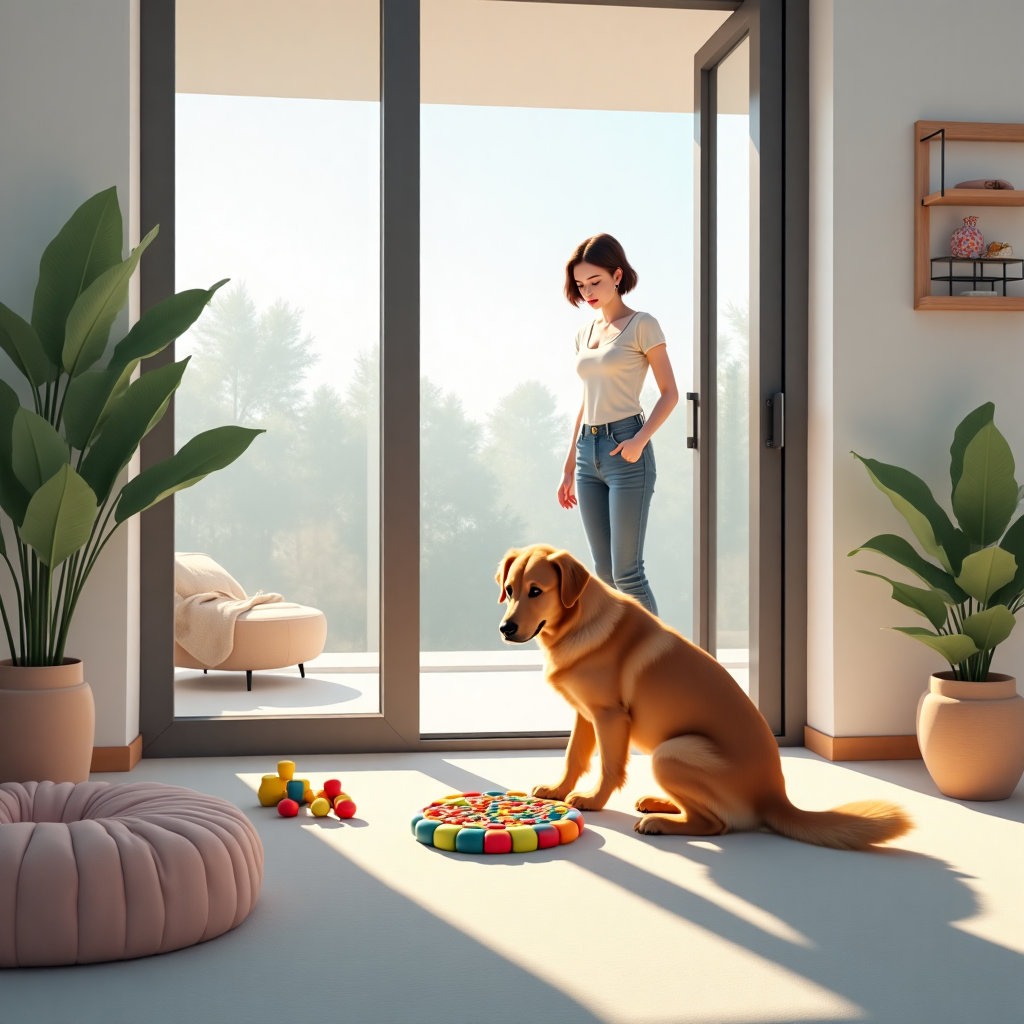
A senior dog’s mind needs exercise just as much as their body. Mental stimulation helps stave off cognitive decline and keeps your older dog engaged with the world around them. However, the activities you choose should be gentle and low-stress, matching your dog’s attention span and physical abilities. Short, positive training sessions, puzzle toys, scent games, and gentle hide-and-seek are all excellent ways to keep your senior dog’s brain active without overexerting them.
Emotional comfort is equally important. Senior dogs often become more dependent on their human companions and may experience anxiety when routines change or when they are left alone. Maintain a consistent daily schedule for meals, walks, playtime, and rest to help your dog feel secure. Spend quality time together every day, even if it is simply sitting beside them and stroking their ears. Your calm, reassuring presence can do wonders for an aging dog’s emotional well-being. If your dog shows signs of severe anxiety or cognitive dysfunction, talk to your veterinarian about supplements, medications, and behavioral strategies that can help.
Regular Veterinary Checkups and Preventative Care
As your dog enters their senior years, regular veterinary care becomes more important than ever. Most veterinarians recommend that senior dogs have a wellness examination every six months rather than once a year. These checkups allow your veterinarian to monitor your dog’s weight, dental health, heart and lung function, joint mobility, and organ health. Blood work, urinalysis, and other diagnostic tests can detect early signs of disease before they become serious, giving you more treatment options and a better chance of managing chronic conditions successfully.
Preventative care should also remain a priority. Keep your senior dog up to date on vaccinations, parasite prevention, and heartworm medication as recommended by your veterinarian. Older dogs may have a weaker immune system, making them more vulnerable to infections and parasites. At the same time, be sure to discuss any changes in your dog’s behavior, appetite, or mobility during each visit, even if the changes seem minor. Catching problems early is one of the best ways to keep your senior dog comfortable and extend their quality years.
Adapting to Sensory Decline
Many senior dogs experience a gradual loss of vision or hearing, and this can be disorienting and frightening if they do not understand what is happening. You can help your dog adapt by keeping furniture in the same place and avoiding sudden rearrangements. Use rugs or textured mats to mark important pathways, and consider placing scent markers near doorways or stairs to help your dog navigate by smell. If your dog is losing vision, avoid moving food and water bowls, and always speak to them before approaching so they are not startled.
For dogs with hearing loss, visual cues and hand signals can replace verbal commands. Establish a consistent set of hand signals for basic behaviors like sit, stay, come, and stop. You can also use vibrations, such as tapping the floor gently, to get your dog’s attention. Never scold a dog for not responding to a cue they cannot hear or see; instead, use positive reinforcement and patience to help them adjust. Dogs are incredibly adaptable, and with your support they can continue to navigate their world with confidence even as their senses fade.
Conclusion
Keeping your senior dog comfortable is a journey of love, patience, and thoughtful observation. It requires you to look beyond the visible signs of aging and respond to the unique needs of the loyal friend who has given you so much joy. By creating a safe and supportive home environment, providing proper nutrition, managing pain, encouraging gentle movement, and nurturing your dog’s emotional well-being, you can make a profound difference in their quality of life. Each small adjustment—a non-slip rug here, a softer bed there, a slower walk in the evening air—becomes a way of saying thank you for the years of devotion.
As your senior dog’s body slows down, their capacity for love remains as strong as ever. They do not ask for much: a warm place to rest, a gentle touch, a familiar routine, and your reassuring presence. When you meet those needs with compassion and consistency, you give your dog one of the greatest gifts possible—the chance to grow old gracefully by your side, comfortable in body and secure in heart. Cherish this season together, and let every moment be a reflection of the beautiful bond you share.