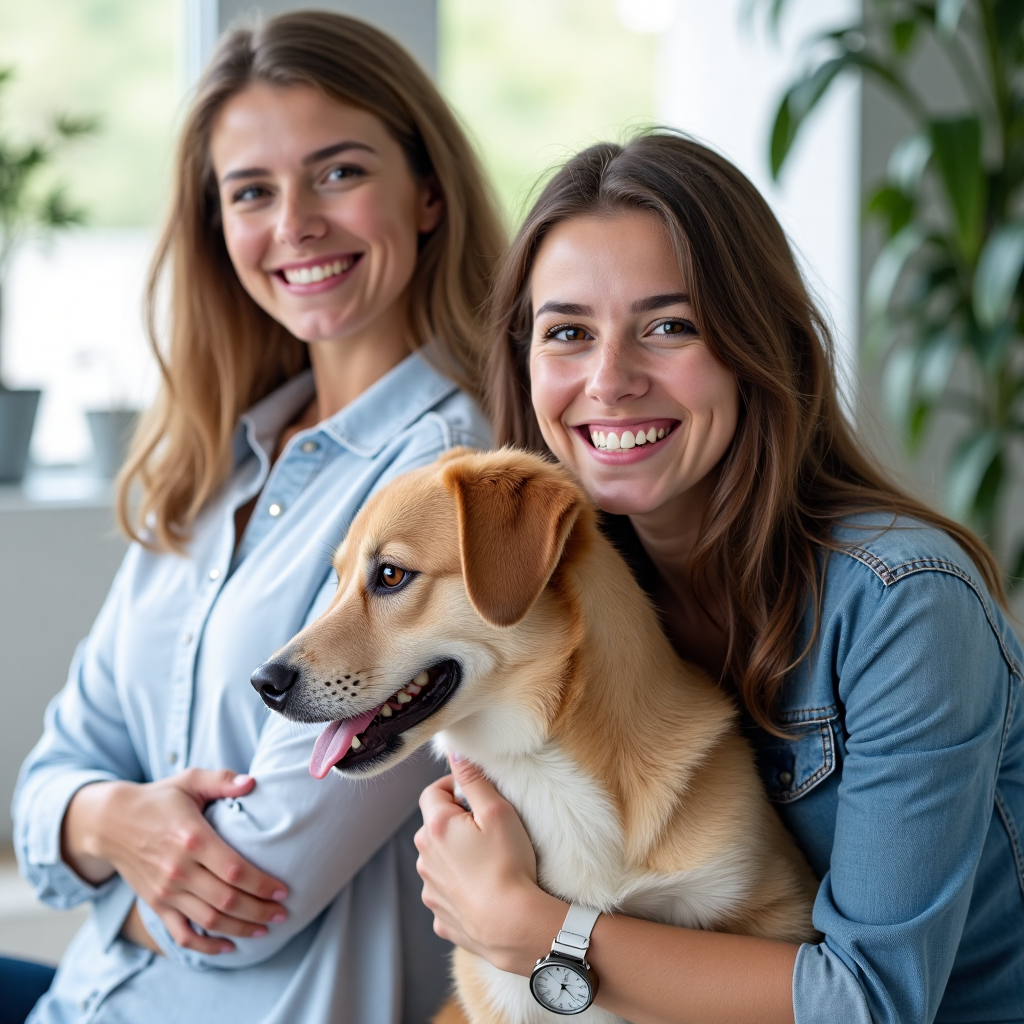
You have seen the smiling adoption photos, the heartfelt “gotcha day” posts, and the viral videos of rescue dogs curling up in their new beds for the first time. You have read the statistics—millions of dogs waiting in shelters, each one deserving a second chance. You have imagined the moment you bring home your new best friend: the instant connection, the grateful eyes, the peaceful walks around the neighborhood. What the carefully curated stories rarely reveal is that the first few weeks—and sometimes months—after adopting a rescue dog can feel less like a fairy tale and more like an emotional roller coaster. If you are considering adopting a rescue, or if you have just brought one home and are wondering why it feels so hard, this article is for you. Here is what nobody tells you.
The Honeymoon Phase Is Real—and It Ends
Many adopters mistake the first few days of quiet, cautious behavior for a dog’s true personality. Your new rescue might follow you from room to room, sleep a lot, or sit politely by the door. You might think, “This is easy—what was everyone worried about?” That is the honeymoon phase. In the shelter, dogs often live in a state of sensory overwhelm or shutdown. When they arrive at your home, they may be too exhausted, confused, or frightened to show their real selves. They are often operating in survival mode.
As your dog begins to feel safe, their true personality will emerge. That might mean testing boundaries, barking at the mail carrier, guarding a food bowl, or developing separation anxiety. This is not a sign that you adopted a “bad dog.” It is a normal part of decompression. The end of the honeymoon phase is not a failure; it is the beginning of the real relationship. Understanding this can save you from panic when a previously quiet dog suddenly chews a shoe or growls at a visitor.
Your Home Will Change in Ways You Didn’t Expect
Bringing a rescue dog home is not simply adding a pet to your existing life. It is restructuring your home, your schedule, and your sense of control. Before the adoption, you may have imagined a dog who fits neatly into your routine. In reality, your routine often has to bend—sometimes break—to meet the dog’s needs. The dog does not know your rules yet. The dog does not care that you have an important Zoom call in ten minutes when they are suddenly terrified of the sound of the garbage truck.
The Physical Space
Your home will likely need adjustments. A rescue dog may not be house trained, even if the shelter said they were. They may mark indoors, shred pillows, or knock over plants during zoomies. You may need baby gates, a crate, enzymatic cleaner, and a basket of “safe chewing” options. Your favorite rug may not survive the first month. Your backyard fence that looked secure may turn out to have a gap only a determined Terrier would find. Expect some damage, some mess, and some costly replacements. It does not mean you are doing anything wrong. It means you are living with an animal who is learning a new world.
Your Daily Routine
Spontaneity takes a hit. Weekend getaways require planning. Happy hour after work cannot happen without a potty break first. Sleeping in may become a distant memory, especially if your dog needs a 6 a.m. walk. You may find yourself structuring entire days around feeding times, training sessions, and exercise. For some people, this feels like a burden. For others, it becomes a grounding rhythm. But nobody warns you how much mental energy it takes to constantly monitor a new dog—watching for signs of stress, preventing accidents, and managing the environment.
The Emotional Weight Is Heavier Than the Leash
Adopting a rescue dog is an act of love, but it is also an act of emotional labor. Many people are surprised by the intensity of their own feelings during the adjustment period. You may feel joy one moment and deep frustration the next. You may cry in the pantry because the dog barked for four hours straight and you have not slept properly in days. You are not broken. You are not a bad person. You are simply experiencing the weight of caring for a living being who depends entirely on you.
Rescue Guilt and Second-Guessing
Rescue guilt is real. You may feel guilty for feeling frustrated. You may think, “This dog came from a terrible situation—I should be more grateful for this experience.” But gratitude and exhaustion can coexist. You can love your dog and still miss your old life. You can be committed to the adoption and still wonder if you made a mistake. These thoughts are more common than anyone admits. Naming your feelings—without shame—is the first step toward working through them.
The “What Have I Done” Spiral
Almost every rescue adopter experiences a moment of doubt. The dog is barking, the house smells like urine, your partner is annoyed, and you are running on four hours of sleep. You may think about returning the dog. You may feel like a failure. The important thing to know is that this thought does not define you. It is often a reaction to overwhelm, not a true desire to give up the dog. Give yourself permission to acknowledge the thought without acting on it immediately. Seek support from a friend, a trainer, or a rescue community.
Behavioral Issues Often Surface After Trust Builds
One of the most confusing experiences for new adopters is the sudden appearance of problem behaviors weeks or even months after adoption. The sweet dog who slept at your feet for the first three weeks may suddenly start resource guarding a bone. The dog who ignored the cat may decide to chase it. This happens because the dog is finally relaxed enough to express their full range of behaviors. That is a sign of growing trust, even though it feels like a setback.
The 3-3-3 Rule
The 3-3-3 rule is a helpful framework, though every dog is different. It suggests:
- First 3 days: The dog may feel overwhelmed, shut down, or unusually quiet. They are observing, not necessarily settling.
- First 3 weeks: The dog begins to explore, test boundaries, and show more of their true personality. Behavioral issues may start to emerge.
- First 3 months: The dog starts to feel truly at home. Routines solidify, trust deepens, and you begin to see the real dog.
These timelines are not guarantees. Some dogs take six months or a year to fully decompress. The key is patience and consistency. Progress is rarely linear—there will be good days and difficult days.
You May Grieve the Dog You Thought You Were Getting
When you imagine adopting a rescue, you picture a certain kind of dog: the hiking buddy, the couch cuddle companion, the social butterfly who loves every person and dog they meet. Then you bring home a dog who is terrified of strangers, refuses to walk past the driveway, and has no interest in toys. That disconnect can feel like grief. You are grieving the dog you imagined, the life you pictured, and the relationship you thought you would have.
This grief is valid. It does not mean you do not love the dog in front of you. It means you are letting go of an expectation. The sooner you can accept the dog you actually have—not the dog you dreamed of—the sooner you can appreciate their unique qualities. Maybe your dog will never be a café dog. Maybe they will never fetch. But they might become a fiercely loyal shadow who makes you laugh with their weird little rituals. The dog you got may not be the dog you wanted, but they might be exactly the dog you need.
Training Is Not Optional—It’s a Lifeline
There is a persistent myth that rescue dogs are automatically grateful and therefore easy to train. The truth is that many rescue dogs have never been taught basic skills. Some have learned survival behaviors that are incompatible with a peaceful home, such as counter surfing, barking, or resource guarding. Training is not about dominance or punishment. It is about communication, trust, and safety.
Positive reinforcement training works exceptionally well for rescue dogs because it builds confidence. A dog who has been through instability needs predictability. Short, frequent training sessions—even five minutes a day—can strengthen your bond and reduce anxiety. When in doubt, hire a certified professional trainer or veterinary behaviorist. There is no shame in needing help. The shame would be avoiding help and allowing a fixable issue to become a crisis.
The Bond Is Built in Tiny, Unremarkable Moments
Movies show the dramatic moment when a rescue dog finally trusts their person: the slow blink, the paw on the knee, the swelling music. In real life, the bond is built in much smaller, less glamorous moments. It is the first time your dog takes a treat from your hand without flinching. It is the first nap in the same room without watching the door. It is the first tail wag when you pick up the leash. These moments are easy to miss if you are waiting for a grand gesture.
Milestones That Matter
Some of the most meaningful milestones with a rescue dog are not Instagram-worthy. They include:
- The first time your dog makes eye contact voluntarily.
- The first time they eat a full meal in your presence.
- The first time they sleep deeply enough to dream.
- The first time they approach you for comfort instead of hiding.
- The first time they play—even if it lasts only ten seconds.
These moments are the real “gotcha day” wins. They are quiet, private, and profoundly powerful. When you learn to celebrate the small stuff, the hard stuff becomes more bearable.
Not Everyone Will Support Your Decision
You might expect applause when you announce you are adopting a rescue. But you may also encounter skepticism, criticism, or outright negativity. Friends and family may question why you chose a shelter dog instead of a puppy from a breeder. They may say things like, “You don’t know what you’re getting,” or “Rescue dogs are damaged.” Some people may treat your adoption as a noble but foolish gamble. Others may offer unsolicited advice about discipline, dominance, or “tough love.”
It can be exhausting to defend your choice while you are struggling. You do not owe anyone an explanation. You are allowed to set boundaries around advice. A simple “We are working with a trainer and following a plan” can shut down most unwanted commentary. Surround yourself with people who understand rescue behavior—local rescue groups, positive training communities, or online forums. Support is not a luxury; it is a necessity.
Rescue Adoption Can Surface Your Own Triggers
Here is a truth that rarely gets discussed: adopting a rescue dog can trigger your own unresolved issues. A dog who is anxious, reactive, or fearful may mirror your own anxiety. A dog who does not listen may make you feel powerless or angry in ways that surprise you. A dog who rejects affection may activate old wounds around rejection. The work of caring for a rescue dog is often as much about self-awareness as it is about dog training.
You may discover that you have less patience than you thought. You may realize that you struggle with control—and a dog with a mind of their own challenges that. This is not a flaw. It is an invitation to grow. Therapy, journaling, or simply naming your triggers can help you respond thoughtfully instead of reacting harshly. The dog is not trying to ruin your life; they are trying to survive in a world they do not fully understand. The more you understand your own inner world, the better you can support theirs.
The Financial Reality Nobody Mentions
Adoption fees are the smallest part of the financial picture. A rescue dog can come with hidden medical issues, chronic conditions, or behavioral needs that require professional intervention. You may avoid a high adoption fee but spend thousands on allergy treatments, dental care, anxiety medication, or training. The shelter does its best, but many conditions simply do not show up until the dog is out of the high-stress shelter environment.
Emergency vet bills can be staggering. A single foreign body surgery can cost several thousand dollars. Skin infections, ear infections, heartworm treatment, and orthopedic issues are common in rescue dogs. Pet insurance can help, but it rarely covers pre-existing conditions. Before adopting, it is wise to build a dedicated emergency fund or purchase insurance immediately. The love is real, but the bills are too. Financial strain can add stress to an already challenging transition.
When It Doesn’t Work Out
Not every adoption succeeds. Sometimes the dog has needs that exceed your capacity, your home environment, or your safety. Sometimes despite your best efforts, the dog and your family are not a safe match. If you reach this point, you are not a failure. You are a person who made a decision with good intentions and then faced a difficult reality. What matters is how you handle it.
Returning a dog to the shelter should be a last resort, but it is not an unforgivable sin. If you must rehome, do so responsibly. Return the dog to the original rescue or shelter if they require it. Be honest about the dog’s behavior, needs, and triggers. This information helps the next placement succeed. If you can keep the dog safely while a new home is found, that is even better. Shaming people who rehome dogs does not help dogs—it pushes them into unsafe situations. The goal is always the welfare of the animal.
The Reward Is Different Than You Imagined—and Better
After all the hard truths, you might wonder why anyone adopts a rescue dog at all. The answer is not simple, but it is profound. The reward is not usually a perfect dog. The reward is a relationship built through struggle, patience, and mutual adjustment. It is watching a dog learn to trust again. It is seeing a once-fearful animal discover joy. It is knowing that you did not just save a life—you transformed one, including your own.
Rescue love is earned. It does not arrive wrapped in a neat bow. It arrives slowly, in small moments of courage and hope. When your dog finally rests their head on your lap after months of hesitation, the feeling is unlike anything a perfectly bred puppy can offer. You did not get the dog you expected, but you got the dog you built a life with. That bond—forged in patience, understanding, and resilience—is the thing nobody can fully explain. It has to be experienced.
Adopting a rescue is not a single act of kindness. It is a daily practice of showing up, letting go of expectations, and choosing love even when it is inconvenient. The truth nobody tells you is that it will change you. Not because you saved a dog, but because you allowed a dog to teach you what unconditional love really means.