Bringing a new puppy home is one of life’s greatest joys, but those tiny needle-sharp teeth can quickly turn playtime into a painful experience. If you have ever found yourself wondering how to stop a puppy from biting, you are far from alone. Puppy biting is a completely normal behavior, but it is also one that needs consistent, gentle guidance to ensure your dog grows into a well-mannered adult. The good news is that with patience, the right techniques, and a clear understanding of why puppies bite, you can teach your furry friend to use their mouth appropriately.
In this comprehensive guide, we will explore the reasons behind puppy biting, the most effective training methods, common mistakes to avoid, and how to manage the teething phase. Whether you have a boisterous Labrador, a curious German Shepherd, or a tiny Chihuahua, the principles of bite inhibition and redirection work across all breeds. By the end of this article, you will have a step-by-step plan to help your puppy learn that human skin is not a chew toy.
Understanding Why Puppies Bite
Before you can successfully stop a puppy from biting, it helps to understand why they do it. Puppies explore the world with their mouths, much like human babies use their hands. From the moment they are born, puppies use their mouths to nurse, interact with littermates, and investigate their environment. When a puppy bites your fingers, toes, or clothing, they are often simply trying to learn about you and the world around them.
Normal Play Behavior
Play biting is one of the most common reasons puppies nip. When puppies play with their littermates, they bite, wrestle, and mouth each other constantly. If a puppy bites too hard during play, the littermate yelps and stops playing. This natural feedback teaches the puppy to inhibit the force of their bite. When you bring a puppy home, they have not yet learned that human skin is far more sensitive than a dog’s fur, so they need you to teach them the same lesson.
Teething Discomfort
Between the ages of three and six months, puppies begin losing their baby teeth and growing adult teeth. This process can be uncomfortable, and chewing or biting helps relieve the pressure and soreness in their gums. If your puppy suddenly seems more bitey than usual, teething is often the culprit. Providing appropriate chew toys during this stage is essential to redirect their need to bite onto acceptable objects.
Overstimulation and Overtiredness
Just like toddlers, puppies can become cranky and overly mouthy when they are tired or overstimulated. Puppies need a lot of sleep, sometimes up to eighteen to twenty hours a day. When they do not get enough rest, they can turn into tiny biting machines. Recognizing the signs of overstimulation can help you intervene before the nipping escalates.
Attention-Seeking Behavior
Puppies quickly learn that biting your hands or clothing gets a reaction. Even a negative reaction, such as saying “no” or pushing them away, can be interpreted as attention. For a social animal like a dog, any attention can be rewarding. This is why yelling at or physically punishing a puppy for biting often backfires and can even make the behavior worse.
How to Stop a Puppy from Biting: The Core Principles
Teaching a puppy not to bite takes time, consistency, and a calm approach. The goal is not to eliminate mouthing entirely in the beginning, but to teach bite inhibition, which is the ability to control the force of a bite. This is a critical life skill for any dog. A dog with good bite inhibition is far less likely to cause serious harm if they ever bite out of fear or pain as an adult.
Teach Bite Inhibition First
Bite inhibition is the single most important skill you can teach your puppy. The process is simple: when your puppy bites too hard, let out a high-pitched yelp, just like their littermates would. Then, immediately stop playing and ignore your puppy for about ten to twenty seconds. This teaches them that hard biting ends all fun and attention. After the brief pause, you can resume play calmly. Over time, your puppy will learn to use a softer mouth before eventually stopping the biting altogether.
Use the Redirection Technique
One of the most effective ways to stop a puppy from biting is to redirect their attention to an appropriate chew toy. Whenever your puppy tries to bite your hands or clothing, calmly remove your hand and offer a toy instead. Praise them enthusiastically when they take the toy. This teaches them what they should bite rather than only teaching them what they should not. Keep a variety of toys nearby so you can always redirect quickly.
Implement the “Ouch and Walk Away” Method
If your puppy continues to bite after you have yelped, stand up, cross your arms, and turn away. If necessary, leave the room for a short time. This is a powerful consequence because puppies crave social interaction. When biting always results in the removal of attention, the puppy learns that biting is not an effective way to get playtime or affection. Be careful not to jerk your hands away too suddenly, as that can trigger your puppy’s chase instinct and make them bite more.
Step-by-Step Training Plan to Stop Puppy Biting
Consistency is key when teaching your puppy not to bite. The following step-by-step plan will help you structure your training sessions and manage daily interactions. Remember that every puppy learns at their own pace, so be patient and celebrate small victories.
Step 1: Set Up the Environment
Before you begin training, make sure your puppy has plenty of appropriate chew toys in every room where you spend time. Good options include rubber teething toys, rope toys, stuffed Kongs, and frozen washcloths for teething relief. Having toys within easy reach allows you to redirect instantly, which is crucial for success.
Step 2: Practice Gentle Play Sessions
Schedule short, calm play sessions with your puppy several times a day. During these sessions, allow your puppy to mouth your hands gently if you choose, so you can practice bite inhibition. The moment they bite harder than you are comfortable with, yelp and pause the game. Repeat this consistently. If you do not want any mouthing at all, redirect every time their teeth touch your skin.
Step 3: Use Time-Outs Effectively
If yelping and redirecting do not work after two or three attempts, give your puppy a brief time-out. Put them in a safe, boring area such as a puppy-proofed bathroom or exercise pen for thirty to sixty seconds. Keep the time-out short and unemotional. This is not a punishment but simply a way to remove the opportunity for fun when biting occurs. After the time-out, let your puppy out and resume interacting calmly.
Step 4: Reward Calm and Gentle Behavior
Positive reinforcement is more powerful than punishment. Whenever your puppy is calm, chewing on an appropriate toy, or licking instead of biting, reward them with praise, treats, or gentle petting. This helps your puppy understand exactly what behaviors earn rewards. Over time, they will choose the rewarded behaviors more often.
Step 5: Teach Impulse Control Exercises
Impulse control exercises such as “sit,” “wait,” and “leave it” can significantly reduce puppy biting. These exercises teach your puppy to think before acting and to control their urges. Start with simple training sessions of five to ten minutes each day. For example, practice asking your puppy to sit before giving a treat or toy. This helps them learn that calm behavior leads to good things.
Managing Puppy Biting Throughout the Day
Training sessions alone are not enough to stop puppy biting. You must manage your puppy’s environment and daily routine to set them up for success. Here are several practical strategies to reduce biting incidents throughout the day.
Provide Plenty of Physical Exercise
A tired puppy is generally a well-behaved puppy. While young puppies should not go on long forced runs, they still need regular opportunities to play, explore, and burn off energy. Short walks, gentle fetch games, and free play in a safely fenced yard can help prevent the excess energy that often leads to biting. Always match exercise to your puppy’s age and physical development.
Offer Mental Stimulation
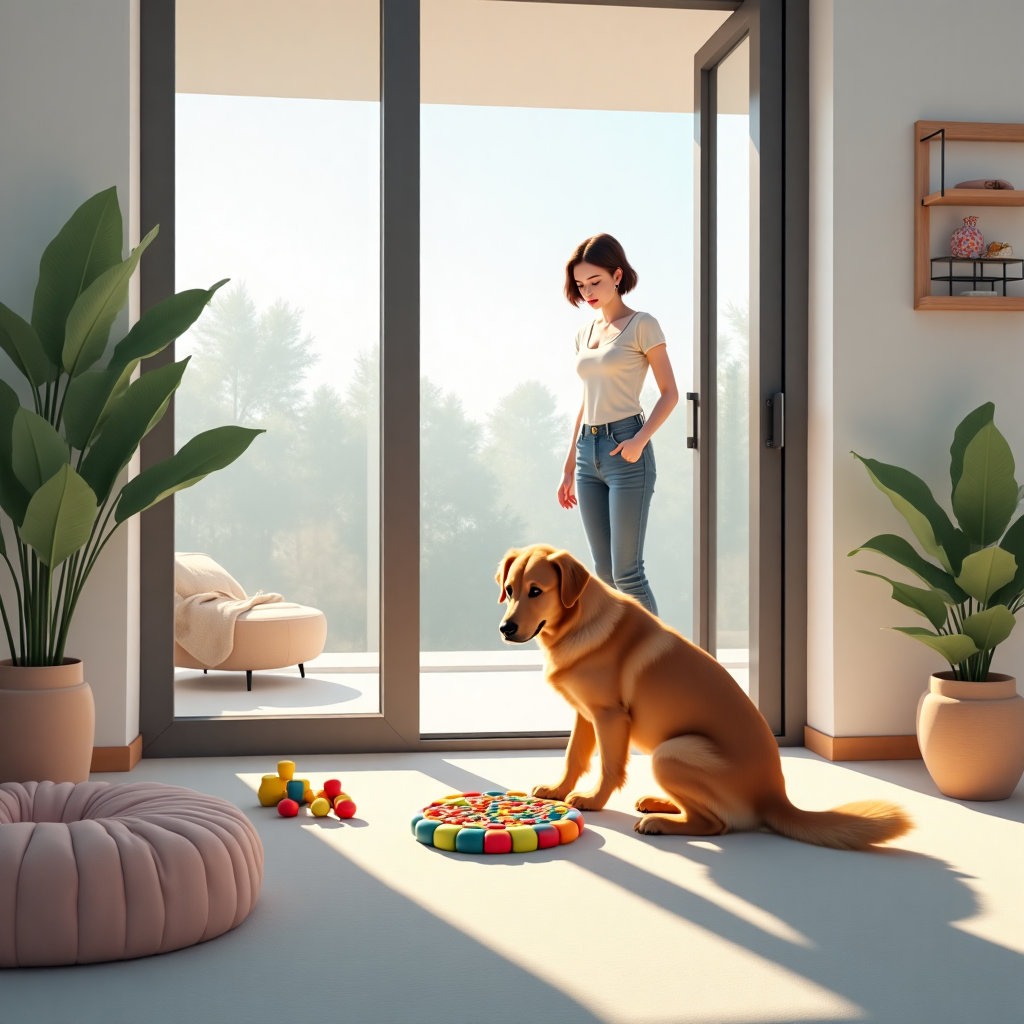
Mental exercise can be just as tiring as physical exercise. Puzzle toys, snuffle mats, and training games challenge your puppy’s brain and help prevent boredom-related biting. A bored puppy is far more likely to seek entertainment by nipping at your hands or ankles. Rotate your puppy’s toys regularly to keep them interesting and engaging.
Ensure Adequate Sleep
Overtired puppies often become bitey and difficult to manage. If your puppy is biting more than usual, they may simply need a nap. Create a consistent nap schedule and provide a quiet, comfortable space for your puppy to rest. Young puppies often need a nap after every forty-five to sixty minutes of activity.
Use a Drag Leash Indoors
Attaching a lightweight leash to your puppy’s collar while indoors can help you manage mouthing without grabbing or chasing them. If your puppy starts biting, you can calmly take the leash and guide them to a time-out area or redirect them to a toy. This prevents the nipping game from escalating into a chase, which can make biting worse.
Wear Appropriate Clothing
Loose sleeves, dangling drawstrings, and flowing pants are very tempting targets for a mouthy puppy. During the training period, wear clothes that fit closer to your body and avoid anything that flaps or dangles. This reduces the number of opportunities for your puppy to practice biting inappropriate items.
What Not to Do When Stopping Puppy Biting
There is a lot of outdated advice about puppy biting that can actually make the problem worse. Avoiding these common mistakes is just as important as using the right techniques.
Avoid Physical Punishment
Hitting, tapping, or holding a puppy’s mouth shut is never appropriate. Physical punishment can damage your bond, create fear, and teach your puppy to become defensive. In some cases, it can escalate biting or cause the puppy to become hand-shy. Always choose positive, force-free methods.
Do Not Yell or Scream
Shouting at a biting puppy may startle them temporarily, but it does not teach them what to do instead. In fact, a loud reaction can be interpreted as part of the game or can create anxiety. Calm, confident handling is far more effective.
Do Not Play Rough Games
Roughhousing with your hands, wrestling, or allowing your puppy to chase and nip your hands during play reinforces the very behavior you are trying to stop. Avoid games that encourage your puppy to target your body. Instead, play fetch, tug with a toy, or hide-and-seek with treats.
Do Not Withhold Socialization
Some owners worry that their biting puppy should not interact with other dogs. In reality, well-supervised play with vaccinated, friendly adult dogs can teach your puppy valuable bite inhibition. Older dogs will naturally correct a puppy that bites too hard, which is a lesson humans cannot fully replicate. Always supervise these interactions and choose calm, patient dog mentors.
Puppy Teething: Special Considerations
The teething phase can make puppy biting feel worse because your puppy is genuinely uncomfortable. Understanding how to soothe teething pain can reduce their urge to bite you and your belongings.
Provide Cold Chew Items
Cold temperatures help numb sore gums and reduce inflammation. Try offering your puppy a frozen carrot, a frozen washcloth, or a rubber teething toy that has been chilled in the refrigerator. Always supervise your puppy with any chew item to ensure they do not swallow pieces they cannot digest.
Choose Safe Teething Toys
Look for teething toys made from durable rubber or nylon specifically designed for puppies. Avoid toys that are too hard, as they can damage developing teeth. A good rule of thumb is that if you cannot indent the toy with your fingernail, it is too hard for your puppy.
Monitor Chewing Sessions
During the teething phase, your puppy may want to chew constantly. Provide plenty of appropriate outlets and rotate toys to maintain interest. If you catch your puppy chewing on furniture or shoes, calmly redirect them to a proper chew toy and praise them for using it.
Socialization and Puppy Classes
Enrolling your puppy in a well-run puppy socialization class is one of the best investments you can make. These classes provide a safe environment for puppies to play together and learn bite inhibition from each other. A professional trainer can also guide you through common challenges, including mouthing and nipping.
During puppy play sessions, you will see puppies yelp and stop playing when a bite is too hard. This natural feedback is incredibly effective. Puppies that attend socialization classes often learn to soften their mouths faster than those that do not have regular opportunities to interact with other puppies. Just be sure the class requires up-to-date vaccinations and uses positive training methods.
When to Seek Professional Help
Most puppy biting is normal and will improve with consistent training. However, there are times when professional help is a wise choice. Consider consulting a certified dog trainer or veterinary behaviorist if:
- Your puppy’s biting is becoming more intense or frequent despite consistent training.
- Your puppy growls, snarls, or stiffens their body before biting.
- Biting is accompanied by guarding food, toys, or resting places.
- You feel afraid of your puppy or are unable to manage the behavior safely.
- Your puppy is older than six months and still biting with little inhibition.
A professional can assess your puppy’s behavior, rule out medical causes, and create a tailored training plan. Early intervention is always better than waiting until a problem becomes deeply ingrained.
Frequently Asked Questions About Puppy Biting
How long does puppy biting last?
Most puppies go through a mouthing phase that peaks between three and five months of age and gradually improves as they finish teething around six months. With consistent training, you should see a significant reduction in biting by the time your puppy is five to seven months old. However, some breeds and individual dogs may need more time to fully develop impulse control.
Is it normal for a puppy to bite aggressively?
Most puppy biting is not true aggression. It is usually playful, exploratory, or related to teething. True aggression in a young puppy is rare, but it can occur, especially in puppies with poor socialization, fear, or medical issues. If your puppy’s biting seems intense, is accompanied by growling and stiffness, or happens in situations involving resources, seek professional help promptly.
Should I let my puppy bite my hands during play?
This depends on your training goals. Some owners allow gentle mouthing so they can teach bite inhibition. Others prefer a zero-tolerance policy for teeth on skin. The most important thing is consistency. If you allow gentle mouthing sometimes but not others, your puppy will be confused. If you choose to allow gentle mouthing, be prepared to end the game immediately when the pressure increases.
Can I use bitter spray to stop puppy biting?
Bitter-tasting sprays can be useful for discouraging a puppy from chewing on furniture or other objects, but they are not ideal for stopping biting directed at people. Bitter spray on your hands may deter some puppies, but it can also create a negative association with handling. It is generally better to use redirection and teach your puppy what to chew instead.
Building a Lifelong Habit of Gentle Mouths
Teaching your puppy to stop biting is not just about surviving the first few months. It is about laying the foundation for a lifetime of safe, enjoyable companionship. Dogs use their mouths throughout their lives, and a dog that has learned bite inhibition and impulse control is far less likely to cause injury, even in unexpected situations.
Remember that progress may be slow at first. There will be good days and frustrating days. Your puppy is not being stubborn or spiteful; they are simply learning how to navigate a human world. Every time you calmly redirect a bite, reward gentle behavior, or remove yourself from rough play, you are helping your puppy understand the rules.
Consistency among all family members is essential. Make sure everyone in your household uses the same techniques and follows the same rules. If one person allows biting during play while another does not, the puppy will struggle to learn. Hold a family meeting to explain the plan and agree on a consistent approach.
Conclusion
Learning how to stop a puppy from biting takes patience, consistency, and a deep understanding of normal canine behavior. By teaching bite inhibition, redirecting to appropriate toys, managing your puppy’s energy and sleep, and avoiding punishment-based methods, you can guide your puppy through this challenging phase successfully. The small, sharp teeth will not last forever, and the time you invest in training now will pay off for years to come.
Remember that every puppy is different. Some respond quickly to a yelp and pause, while others need more redirection and time-outs. Stay calm, be consistent, and celebrate each small improvement. Before you know it, your puppy will be greeting you with a wagging tail and a soft mouth instead of needle-sharp nips. Enjoy this special time with your new best friend, and take comfort in knowing that your patient guidance is building a strong, trusting relationship that will last a lifetime.